
I design thoughtful, connected platforms where user voice shapes every feature and experience
Strategy & Vision Case Studies
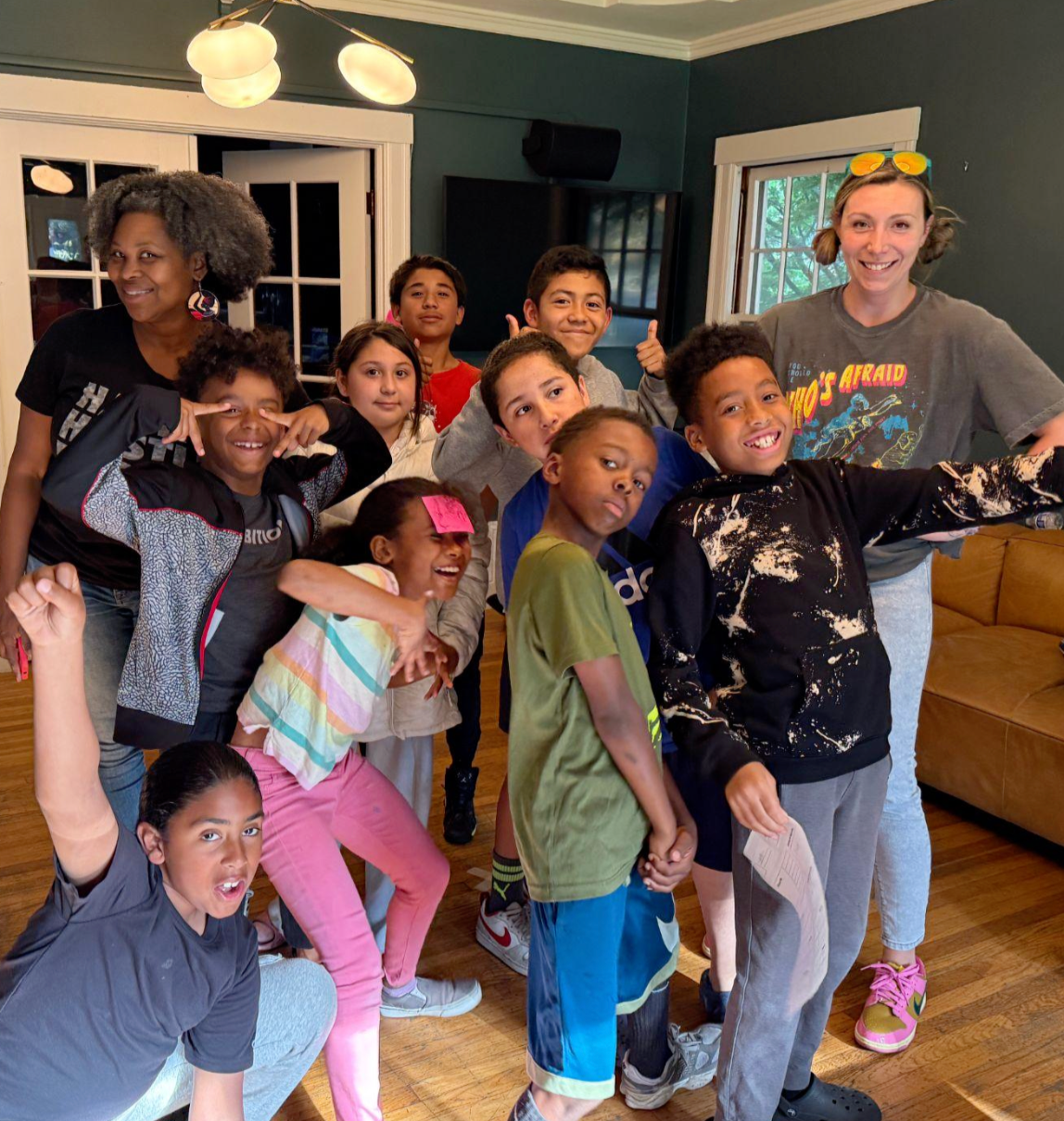
Artifacts from StreetCode co-design session where young people were asked to re-think the onboarding experience for users.
Implementing Responsible Innovation & Well-Being
Challenge
Scratch’s onboarding experience did not consistently support key dimensions of child well-being—such as confidence, autonomy, and emotional resilience—leading to friction, frustration, and early drop-off for new users.
Strategy
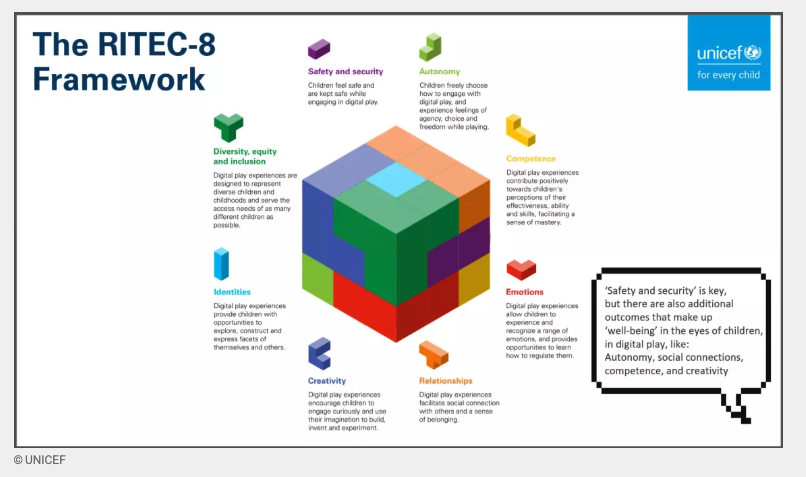
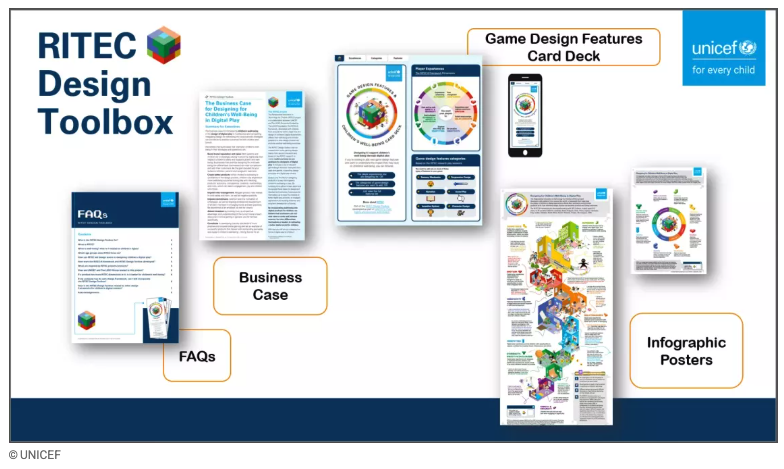
Led the integration of the Responsible Innovation in Technology for Children (RITEC) framework into product design by auditing the platform, defining well-being aligned problem statements, and designing onboarding experiences that embed competence, autonomy, creativity, and emotional support into core user flows.
Impact
Established a scalable design philosophy and feature set that aligns product decisions with child well-being—creating a foundation for more supportive, engaging, and developmentally appropriate creative experiences.
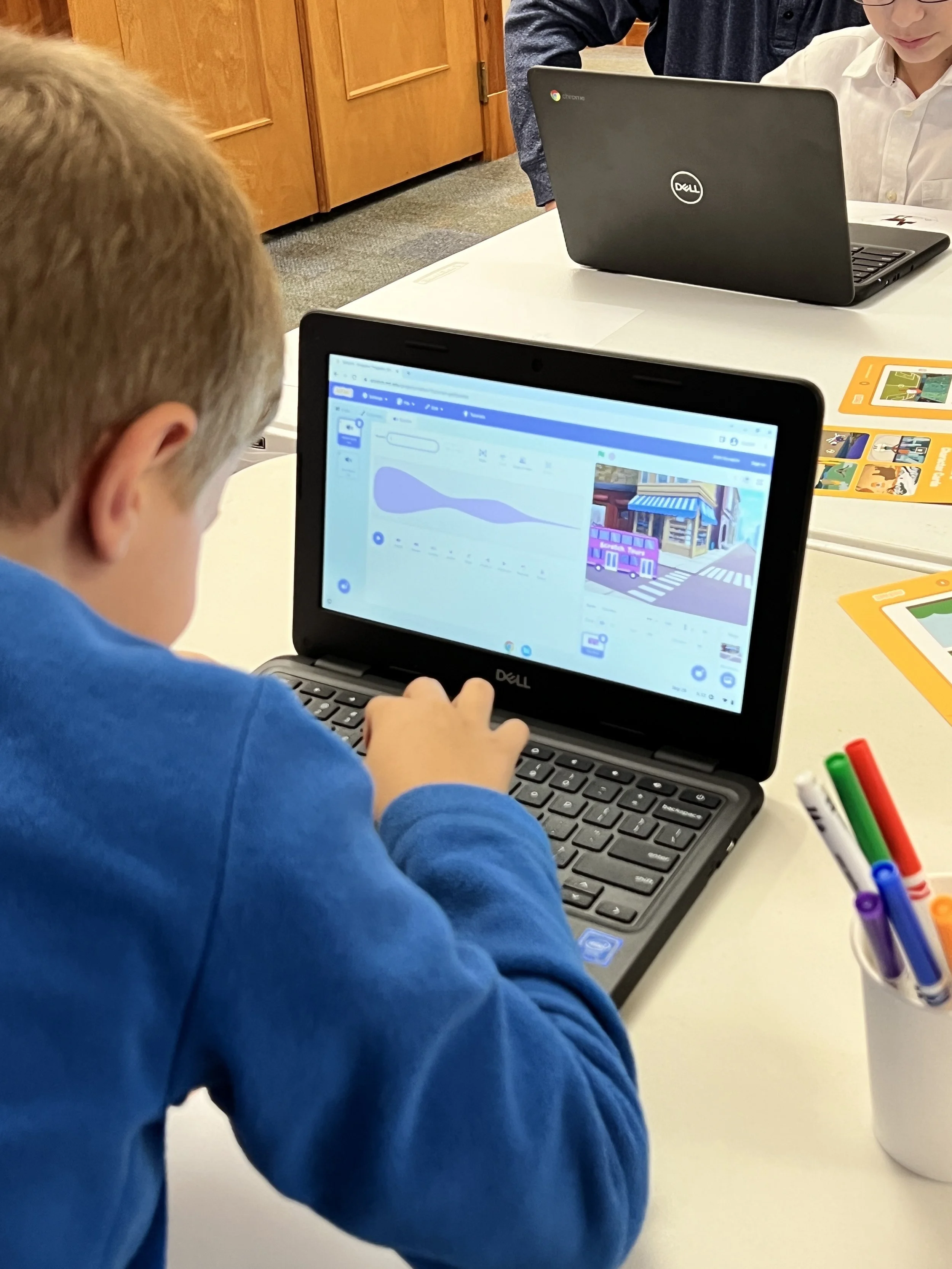
Getting Started with Scratch session
@ Nesmith Library, Windham, NH
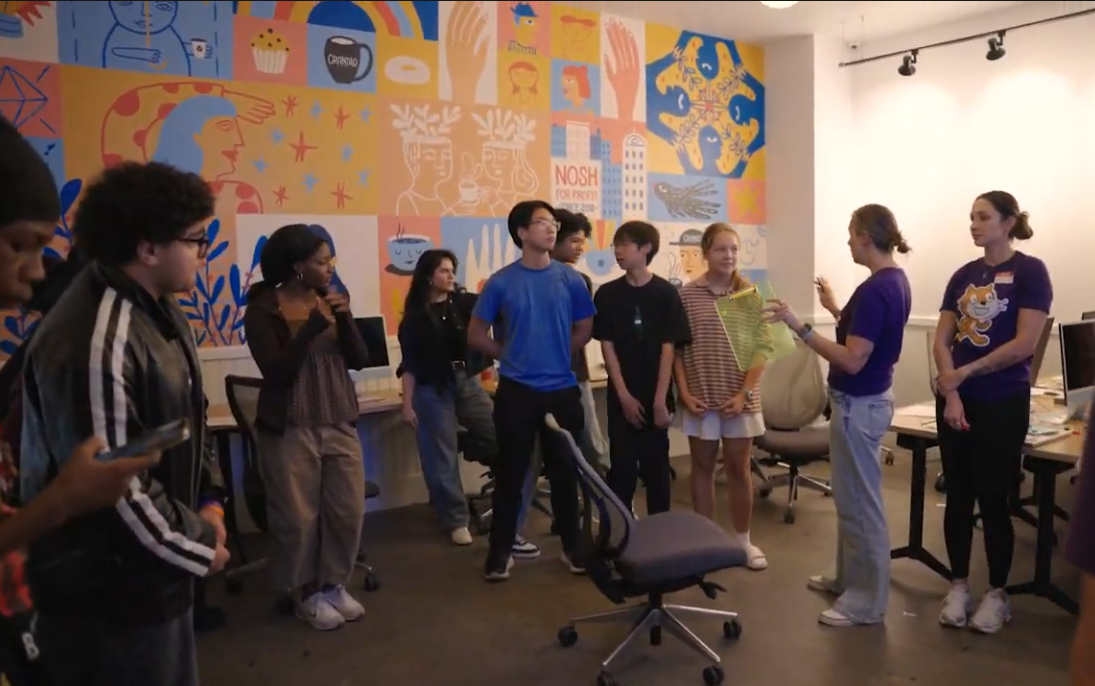
Co-design session @ StreetCode Academy, Palo Alto, CA (above)
Re-thinking User Journeys and Retention
Challenge: Scratch’s scale masks a retention problem: most users churn quickly after initial use. Discovery pathways, limited onboarding to community features, and weak content surfacing prevent users from finding relevant projects, connecting with others, and staying engaged.
Strategy: Designed a holistic user journey spanning onboarding, engagement, and retention which introduced guided entry points, improved content discovery, and strengthened social and collaborative features to move users from first project to sustained participation.
Impact: Identified and targeted key drop-off points in the user journey, defining solutions that increase early activation (sharing, commenting) and improve discovery, both critical drivers of retention.
Human-Centered AI Designed for Connection
Challenge
Scratch’s current experience is largely static and one-size-fits-all, limiting users’ ability to find relevant content, connect with peers, and grow creatively over time. Additionally, users are extremely skeptical of AI on the platform and sensitive to negative impacts of AI (i.e., trained on artist work without permission, AI slop, diminishment of effort, etc.)
Strategy
Envisioned an AI-enhanced platform that centers human-to-human connection that personalizes onboarding, powers semantic discovery, and facilitates collaboration—adapting to users’ interests, behaviors, and creative goals.
Impact
Defined a future-forward product direction where AI supports creativity, connection, and learning by helping users find their place in the community and sustain long-term engagement.
Scaling Participatory Research at Scratch
Challenge
When I joined Scratch, there was no formal participatory research function despite a global community of millions of young users whose voices were critical to shaping the product.
Strategy
Built and scaled a participatory UXR ecosystem centered on three channels of youth representation:
the Scratchineer Network (global community partnerships),
the Scratch Youth Advisory Board (deeper relationship-building through co-design, 1:1 interviews and focus groups with highly engaged users), and
the broader online community (lightweight, scalable participation through the platform).
Launched programs, partnerships, and in-product engagement tools to meet youth where they are—across schools, after-school programs, and the Scratch platform itself.
Impact
Scaled from zero to 100,000+ youth touch-points across interviews, co-design sessions, play-testing, surveys, and community-driven participation—embedding youth voice directly into product strategy and decision-making.
Digital Instruction Design Solutions
-
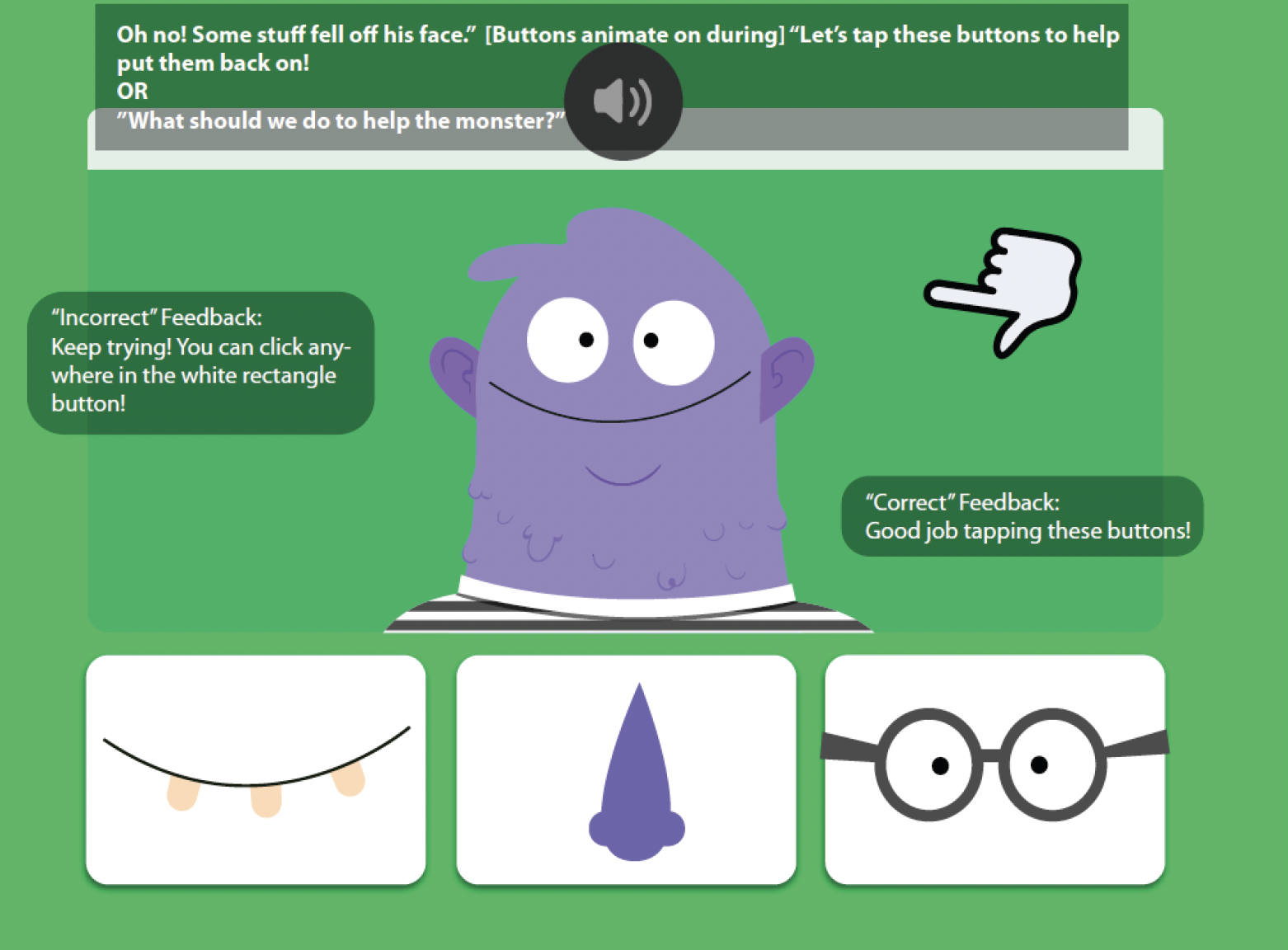
Diagnostic Prep for K-2 Students
Field-reports showed that younger students were struggling (crying) when taking their first Diagnostic test — their first experience with the learning platform. Technical constraints were tight, but we needed to make improvements.
-
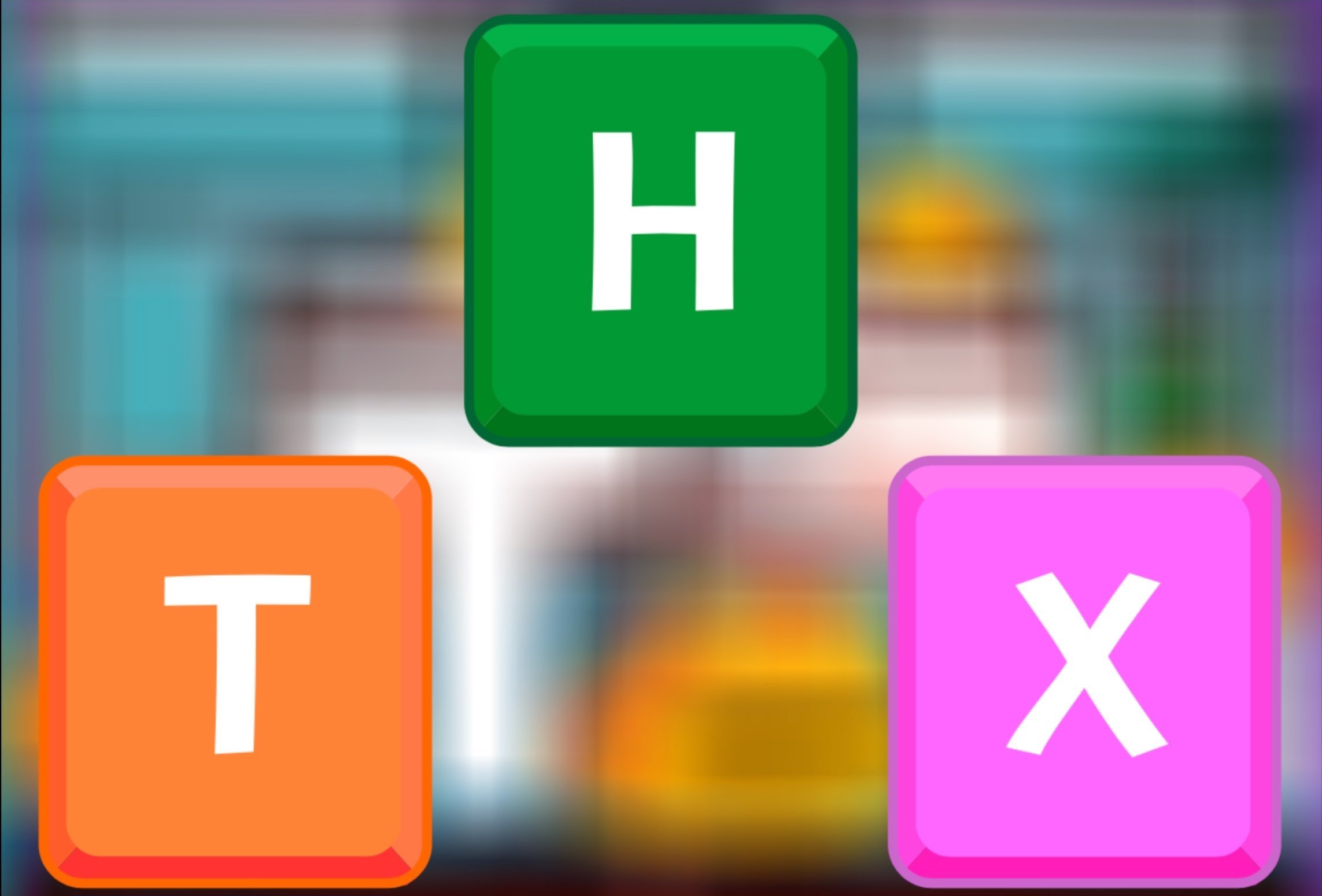
Game-ifying Pre-K Phonics Lessons
Letter recognition and phonics skills at the emerging-k level are quite repetitive. Students are also not yet comfortable using computers or maneuvering a mouse or trackpad. We set out to design an enriching experience within these constraints.
-

K-2 Vocab Lessons — Set and Widget Design
This product was only the second digital lesson set in development during this time. We set out to learn from the past lesson set and create a process, lesson flow, and design approach that would be engaging and memorable for students.
-

High Frequency Word — Adaptive Lessons
To evaluate this skill digitally is a unique challenge due to the time-based nature of the skill. Our goal was to design a playful experience and keep the lessons as short as possible.
-

Grade 3-5 — Aging Up Look & Feel
After leading many projects designed for K-2 users, a new challenge was presented to design a look and feel for the new grade 3-5 products.
-

Path Spinners Brain-Break Game
“Brain break” games were needed for kids to play during the long diagnostic test. A call-to-action went out for agile teams to form (a designer, developer, and QA engineer). This was a volunteer hack-a-thon project in which we were given three days to design, develop, and launch a short game.